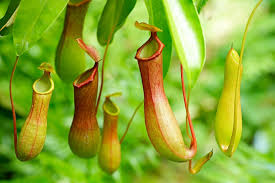
They have leaves modified into deep, slippery tubes (pitchers) filled with digestive enzymes. Because rainforest soil is often nutrient-poor, this adaptation allows the plant to capture and digest insects to obtain essential minerals like nitrogen.
They exhibit chemical defense, which is the use of toxic substances to deter predators. This adaptation comes from milkweed compounds consumed during the caterpillar stage, making them poisonous to birds and reducing predation.
They demonstrate toxin sequestration, which is the ability to store harmful chemicals from their diet in their own tissues. This adaptation allows them to remain toxic throughout adulthood without harming themselves.
They show aposematic coloration, which is the use of bright warning colors like orange and black. This adaptation signals danger to predators, helping prevent attacks before they happen.
They rely on predator learning, which is when predators remember and avoid prey that caused illness or a bad experience. This adaptation increases long-term survival because predators are less likely to attack similar-looking individuals in the future.
They exhibit defensive signaling, which is the use of visual cues to communicate danger. This adaptation works together with their toxicity to reinforce the message that they are not safe to eat.