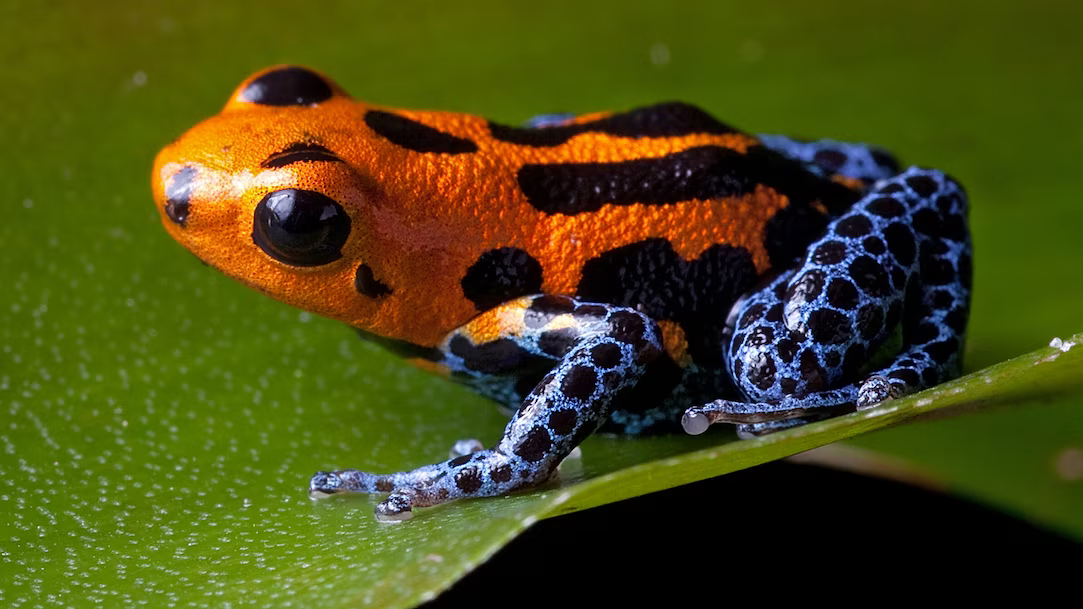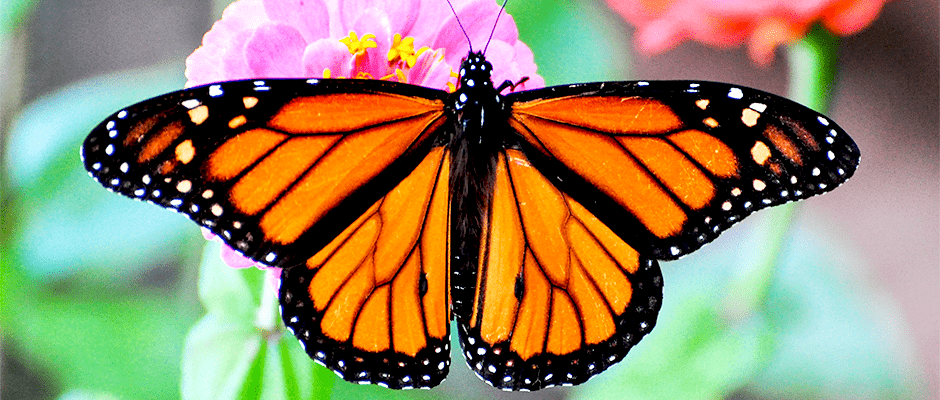
While famous for migration, their primary adaptation is chemical defense derived from eating milkweed as caterpillars. This makes them toxic to birds; their bright orange and black wings serve as a warning (similar to the dart frog) to tell predators that they are a foul-tasting and dangerous meal.
They exhibit chemical defense, which is the use of toxins to deter predators. This adaptation allows them to store poisonous compounds from milkweed in their bodies, making them harmful to birds and reducing the chances of being eaten.
They display aposematic coloration, which is the use of bright warning colors like orange and black. This adaptation signals to predators that they are toxic or unpalatable, discouraging attacks and increasing their chances of survival.
They rely on toxin sequestration, which is the process of absorbing and storing chemicals from their diet. This adaptation allows them to safely contain milkweed toxins in their tissues, making them dangerous to predators without harming themselves.
They demonstrate learned predator avoidance, which is when predators remember and avoid harmful prey after a bad experience. This adaptation helps ensure that once a predator eats one, it is less likely to attack others in the future.
They exhibit Batesian or Müllerian mimicry, which is when species share similar warning patterns. This adaptation strengthens the warning signal, as predators more quickly recognize and avoid organisms with the same bright coloration.